




%20for%20Better%20Sleep)
The holidays are here, and whether you’re celebrating with family, staying up for a party, or just cozying up with a good movie, our routines often get thrown off. While we talk a lot about the importance of a great mattress for sleep and a dark bedroom, what you drink and eat before bed is one of the biggest (and most overlooked) factors in your sleep quality.
It's tempting to grab that last cup of coffee after dinner, or sip a glass of wine to "wind down," but those habits might be costing you hours of deep, restorative sleep. For a truly restful night, you need to support your body’s natural rhythm.
Here is your simple guide to what to drink, what to eat, and what to avoid three hours before bedtime to ensure you get the rest you deserve this season.

The Sleep Saboteurs: What to Avoid
To give your body the best chance at a smooth transition into sleep, experts recommend avoiding certain items for at least three hours before you hit the hay. This gives your digestive system and nervous system enough time to settle down before you lie flat on your mattress for sleep.
1. Caffeine (The Jolt That Lingers)
Caffeine is a stimulant that fires up your nervous system, keeping you alert. Even a small amount of caffeine can suppress the production of melatonin, the hormone that tells your brain it’s time to sleep. You know to skip the late-afternoon espresso, but caffeine lurks everywhere:
-
Decaf Brews: While labeled "decaf," these still contain small amounts of caffeine.
-
Chocolate: Found in hot cocoa, holiday candies, and desserts.
-
Sodas: Non-cola sodas, energy drinks, and certain teas all have caffeine.
-
Certain Foods: Ice cream and even some breakfast cereals can contain traces of caffeine.
If you are sensitive to caffeine, try to cut it off completely by noon to protect your circadian rhythm.
2. Alcohol (The False Friend)
Many people think alcohol is a sleep aid because it’s a depressant and helps you fall asleep faster. But this is a classic trap! While you might drift off quickly, the alcohol gets metabolized later in the night.
Once the initial sedative effect wears off, alcohol begins to fragment your sleep and disrupt the restorative stages. It has been shown to worsen sleep apnea symptoms and increase the chances of sleepwalking and memory issues. You end up waking more often and skipping the crucial REM sleep your brain needs for memory and emotion processing.
3. Acidic and Spicy Foods (The Burn Factor)
The digestive process slows down by up to 50% when you sleep, so eating a heavy meal before bed can lead to discomfort and sleep issues.
Specifically, experts recommend avoiding acidic foods (like citrus or tomatoes) and spicy foods because they can trigger indigestion and painful heartburn. If you are prone to acid reflux, lying flat can worsen the symptoms, making it impossible to find a comfortable position. If you need a snack, choose light, easily digestible options like a handful of nuts or some fruits and vegetables.

The Sleep Supporters: What to Sip
Instead of reaching for the sleep saboteurs, try one of these drinks that naturally help your body wind down and get ready for rest.
-
Warm Milk: Contains tryptophan, an amino acid that can help you feel sleepy, and the warmth is naturally soothing.
-
Chamomile Tea: A classic herbal remedy known for its mild sedative effects. It can help calm the nervous system and promote relaxation.
-
Tart Cherry Juice: This beverage contains natural melatonin, the sleep-regulating hormone. Studies have suggested it can help improve both the quality and duration of sleep.
-
Water (The Right Amount): Staying hydrated is important for overall health, but limit your intake right before bed to avoid middle-of-the-night bathroom trips. A small glass of water is often all you need.
The Link to Your Mattress: Don't Let Your Bed Compound the Problem
Even if you perfectly manage your diet and avoid alcohol, an uncomfortable bed can still sabotage your rest.
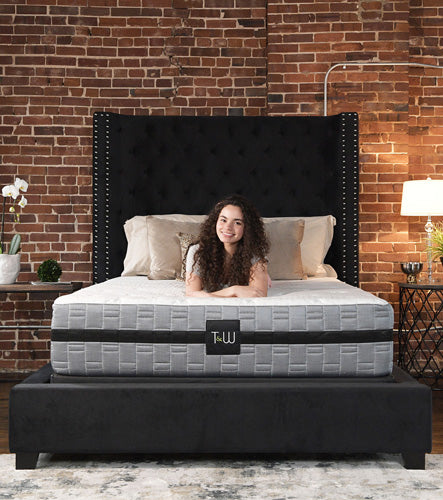
Your bed is your sleep environment, and it needs to be optimized. If you are tossing and turning, waking up with chronic back pain, or struggling to get comfortable, your mattress might be the problem. An old, sagging mattress loses its shape and spine support, forcing you to move, shift, and interrupt your sleep cycle.
For example:
-
Acid Reflux: If you suffer from acid reflux, an adjustable bed base is a game-changer. It allows you to slightly elevate your head and torso, which uses gravity to keep stomach acid where it belongs, preventing heartburn and discomfort.
-
Comfort: A good hybrid mattress or a pressure-relieving memory foam mattress supports your body in all the right ways. It reduces pressure points and minimizes motion transfer, making it easier for you and your partner to relax and drift off to sleep undisturbed.

If you’ve eliminated the diet and drink disruptors and you’re still struggling to sleep, it’s time to take a closer look at your foundation. Investing in a new, high-quality mattress is often the simplest and most effective way to reclaim a restful night.
Frequently Asked Questions (FAQs)
Q: How long before bed should I stop drinking alcohol?
You should stop drinking alcohol at least three hours before bedtime. Alcohol is a depressant that can initially make you feel sleepy, but it metabolizes quickly, causing sleep fragmentation and multiple awakenings later in the night, ultimately ruining your quality of rest.
Q: Why do I get heartburn or acid reflux when I lie down?
Lying flat makes it easier for stomach acids to flow back up the esophagus, causing heartburn or acid reflux. To counteract this, experts suggest avoiding acidic and spicy foods for at least three hours before bed. Using an adjustable bed base to slightly elevate your upper body can also dramatically help gravity keep the acid down.
Q: What is the best type of mattress for someone with chronic back pain?
If you suffer from chronic back pain, you need a mattress that provides excellent spine support while still offering comfort. A hybrid mattress is often recommended because it combines the pressure-relieving memory foam mattress on top with the strong, stable support of innerspring coils underneath. This blend helps keep your spine in proper alignment, which is crucial for pain relief.
Q: Besides drinks, what should I avoid eating right before bed?
Experts recommend avoiding heavy meals, spicy foods, and acidic foods for at least three hours before bed. They also discourage high-protein diets late at night because protein takes a long time to break down, and digestion slows when you sleep, causing discomfort. If you are hungry, opt for a small, light snack like nuts or fruit.
If you're ready to upgrade your sleep, Bedding Mart has a wide range of mattress for sleep options that range from pressure-relieving memory foam mattress models to hybrid mattress selections and adjustable bases, all designed to tackle common sleep disruptors and ensure you wake up feeling refreshed. Visit us in-store or browse our full collection online today!