




If you’ve ever shopped for a new bed, you’ve probably felt overwhelmed by the dizzying choices out there. Beyond the different types of mattresses (like innerspring, foam, or hybrid), you face one crucial decision of the utmost importance: mattress firmness.
Should you go soft and plush? Or firm enough to feel like a board?
Your choice in mattress firmness affects everything from how well your spine aligns to whether you wake up with painful pressure points. Choosing the wrong firmness is one of the quickest ways to sabotage your sleep.

The good news is that nearly every mattress is rated on a simple 1-to-10 on a firmness scale, or “mattress comfort” scale. We’re here to demystify that scale for you and help you find your personal sweet spot, which will be the perfect match that makes you actually look forward to getting into bed every single night!
What is the Mattress Comfort Scale?
The comfort scale is a standardized way for mattress makers and retailers to describe how a mattress feels when you lie down on it. It runs from 1 to 10:
-
1-4 (Extra Soft): Feels like sinking into a cloud. Almost no one actually needs a 1, as it offers little support.
-
5-7 (Medium to Medium Firm): This is the sweet spot for most of the population. These levels offer a blend of soft contouring and solid underlying support.
-
8-10 (Extra Firm): Feels like lying on a floor or a brick. Again, very few people truly need a 10 level of firmness.

A Crucial Distinction: Firmness vs. Support
This is the most important lesson in mattress shopping: Firmness is not the same as support.
-
Firmness is the soft, comfortable feel of the top layers. It’s what cushions your body and relieves pressure points.
-
Support is the deep, structural base of the mattress (usually coils or high-density foam in the core) that keeps your spine perfectly straight and level.
A quality mattress, regardless of its firmness level, should always provide great spine support. You need a soft top layer to be comfortable, but a firm support core to keep your body aligned and prevent aches.
How Your Sleep Position and Body Type Affect Firmness
Your ideal mattress firmness is determined almost entirely by your sleep positions and your body type or body weight.
|
Comfort Level |
Firmness Score |
Ideal Sleep Positions |
Why It Works |
|
Soft/Plush |
3 – 4 |
Side Sleepers |
Allows the shoulder and hip to sink deep enough to relieve pressure points and keep the spine straight. |
|
Medium |
5 – 6 |
Side, Back, & Combination Sleepers |
An excellent compromise that offers both contouring and support, suiting a wide range of needs. |
|
Medium Firm |
7 |
Back & Combination Sleepers |
Provides robust, neutral support while still offering a layer of comfort. Prevents hips from sinking too far. |
|
Firm |
8 – 9 |
Stomach Sleepers & Heavy Individuals |
Crucial for preventing the hips and stomach from sinking, which is the key cause of lower back pain in these groups. |
1. Side Sleepers (The Majority)
If you sleep on your side, you need the mattress to cushion your hips and shoulders so that they can sink into the bed. This ensures your head-to-toe spine stays straight.
-
Ideal Range: Soft to Medium (3-6)
-
The Problem with Firm: A too-firm bed pushes against your hip and shoulder, leading to a sore rotator cuff, numbness, and waking up to toss and turn.
-
The Solution: A memory foam mattress or a plush-top hybrid is often the best choice, as the contouring foam relieves the most pressure.
2. Back Sleepers
Back sleepers need a balanced feel, not so soft that their hips sink, but not so firm that there’s a gap at the lower back.
-
Ideal Range: Medium to Medium Firm Mattress (5-7)
-
The Problem with Soft: A too-soft mattress lets the hips dip down, creating a U-shape in the spine.
-
The Solution: A quality hybrid mattress is a great choice, blending the solid support of coils with a soft comfort layer to fill the curve of the lower back perfectly.
3. Stomach Sleepers (Need the Most Firmness)
Sleeping on your stomach places the most stress on your spine. For stomach sleepers, the main goal is to keep the hips elevated and perfectly in line with the shoulders.
-
Ideal Range: Firm (7-9)
-
The Problem with Soft: Too much softness allows the hips and stomach to sink deep into the bed, forcing the lower back to arch uncomfortably. This is a recipe for back pain.
-
The Solution: You need a firm, non-conforming surface. A true firm mattress or a very supportive medium firm mattress prevents sinkage.

Your Body Weight and Personal Preference Are Key
While sleep positions are the best starting point, two other factors play a huge role:
-
Body Weight / Body Type: How much you weigh determines how deep you press into the comfort layers.
-
Lighter Individuals (under 130 lbs): You won't sink as deep, so a medium firm mattress may feel too firm. You may need a score 1 point lower than recommended for your sleeping position (e.g., a 4 or 5, instead of a 6).
-
Heavier Individuals (over 230 lbs): You will sink deeper, so a soft mattress may offer poor support. You will often need a score 1 or 2 points higher than recommended (e.g., a 7 to 8 instead of a 6) to achieve the same level of proper spine support.
-
Personal Preference: At the end of the day, your comfort is what matters most. If a firmness level is technically "correct" for your position, but you just can't relax on it, then it is not your perfect fit. Don't compromise on the feeling that allows your body to truly settle in. That’s why we encourage you to try mattresses out in person first!
Finding Your Perfect Fit at Bedding Mart
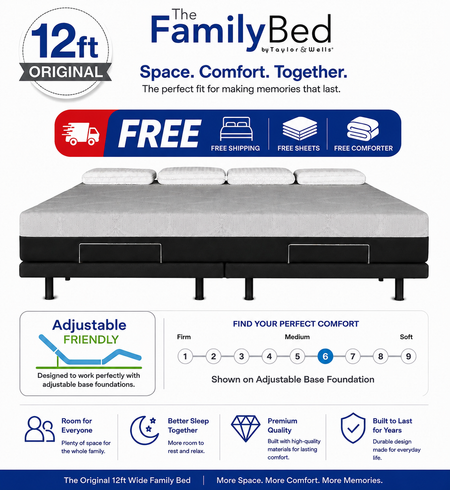
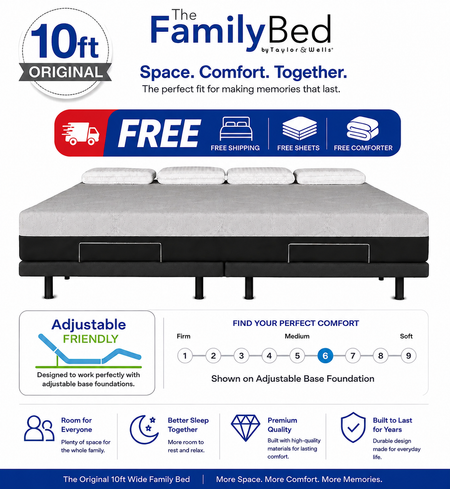
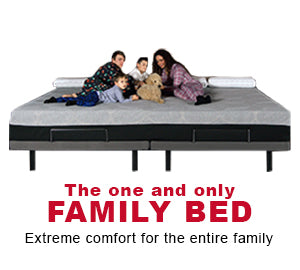
At Bedding Mart, we offer the full spectrum of mattress firmness across all types of mattresses, including the best-selling hybrid mattress models and pressure-relieving memory foam mattress options. We even carry the biggest beds in the USA, like the Taylor & Wells Family Bed, which is designed with versatile firmness to accommodate multiple family members (and body type options!) at once.
Finding your ideal sweet spot doesn’t have to be complicated. Our sleep experts are ready to help you match your sleep positions and body weight to the right firmness score. Visit our local stores in Arkansas and Missouri, or browse our medium firm mattress selections online, and start your journey toward pain-free sleep tonight!
Frequently Asked Questions (FAQs)
Q: Can a mattress be too firm?
Yes. If a mattress is too firm for your body type or sleep positions, it can create excessive pressure points at your hips, shoulders, and knees. For example, a side sleeper on a firm mattress may experience shoulder pain because the shoulder cannot sink in enough to align the spine. The result is discomfort, tossing and turning, and pain.
Q: What is the most popular mattress firmness level?
The most popular and widely sold mattress firmness level is medium to medium firm mattress, often rated a 5 to 7 on the Comfort Scale. This range is popular because it works well for the majority of back and side sleepers, offering a great balance between contouring comfort and underlying spine support.
Q: Why do my hips sink in when I sleep on my stomach?
If your hips are sinking, especially as a stomach sleeper, your mattress is too soft for your body weight. When the midsection sinks, your lower back is forced to arch, causing pain. The solution is to find a firmer mattress, rated 7 or higher, to keep your body on a level plane and maintain proper spine support.
Q: Does a memory foam mattress feel firmer than a hybrid mattress?
It depends on the design, but generally, a quality memory foam mattress will feel more conforming and hugging, while a hybrid mattress provides a more buoyant, responsive feel. For the same firmness score (e.g., a 6), the memory foam will feel softer to the touch, especially once it warms up to your body weight, whereas the hybrid will offer more bounce from the pocketed coil core.